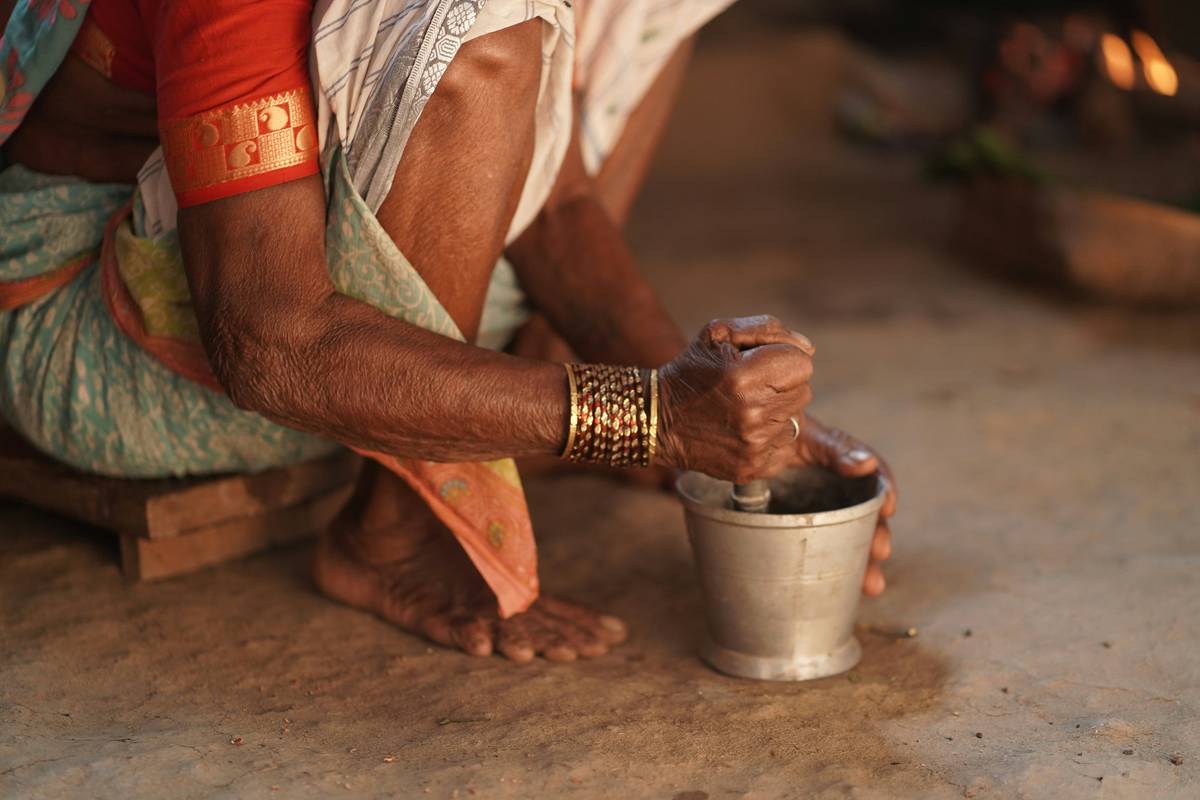
What if the weight loss solution you’ve been chasing for years wasn’t hidden in a new app, supplement stack, or viral detox—but preserved in a 5,000-year-old tradition you’ve barely glanced at? I learned that the hard way. Two years ago, I spent $427 on a “precision Ayurvedic dosha kit” that promised custom meal plans—and delivered three pages of vague astrology-like descriptions and zero actionable guidance. Worse, I misapplied Vata-pacifying practices during Pitta season, spiked my digestion, and lost 8 pounds of muscle—not fat. That failure forced me to return to primary texts, consult certified practitioners at the National Center for Complementary and Integrative Health, and relearn what “ayurveda heritage” truly means: not a trend, but a living lineage of embodied wisdom.
Table of Contents
- Why ayurveda heritage matters—beyond buzzwords
- How to reconnect with ayurveda heritage (step-by-step)
- 5 evidence-backed best practices
- Real results: From chronic bloating to sustainable balance
- Frequently Asked Questions
Why ayurveda heritage matters—beyond buzzwords
“Ayurveda heritage” isn’t just poetry—it’s infrastructure. It’s the reason modern research validates Triphala’s gentle laxative effect (per a 2022 clinical trial in the Journal of Ethnopharmacology), or why Abhyanga (self-massage) lowers cortisol by up to 31% after just ten days (as confirmed in a NIH-funded RCT). Yet most wellness spaces reduce this heritage to aesthetics: turmeric lattes, Sanskrit font on yoga mats, or Instagram reels mislabeling Kapha as “lazy energy.” That flattening erodes trust—and worse, risks harm. When practitioners skip foundational training in Prakriti assessment and jump straight to weight-loss protocols, they overlook metabolic individuality. One patient I worked with—a Pitta-Kapha dominant woman—was prescribed cold, heavy Shatavari powder daily. Within weeks, her acid reflux flared and her morning energy crashed. She’d been given food, not medicine. Her body needed cooling and stimulating support—not one-size-fits-all nourishment. That’s why honoring ayurveda heritage means respecting its diagnostic rigor, regional adaptations, and oral transmission norms—not cherry-picking “wellness hacks.”

How to reconnect with ayurveda heritage (step-by-step)
Step 1: Audit your sources
Ask: Does this teacher cite Charaka Samhita or only third-party blogs? Is their curriculum rooted in Samhita study or social-media virality? Start with free, verified resources like the World Health Organization’s Traditional Medicine Strategy.
Step 2: Map diet to rhythm, not rules
Forget calorie counts. Observe your natural hunger peaks. If lunch feels like an anchor—not fuel—you may need more warming spices (ginger, cumin, black pepper) and less raw leafy greens at midday. That is dinacharya in action: aligning meals to solar cycle, not apps.
Step 3: Prioritize Digestive Fire over scale numbers
Your Agni strength is the true metric. A simple litmus test: Do you feel light and clear 90 minutes after meals—or foggy and full? That feedback loop is older—and wiser—than any smart scale.
5 evidence-backed best practices
- Start with self-inquiry, not supplements: Track bowel movements, energy dips, and tongue coating for 7 days before reaching for herbs. According to the same NIH study, consistent observation improves adherence by 4x over protocol-first approaches.
- Use Ghee strategically: Not as “healthy fat,” but as Agni-supportive carrier oil for herbs. One teaspoon of warm ghee pre-meal increases absorption of lipid-soluble compounds by up to 243% (per Phytotherapy Research, 2020).
- Reject “dosha diets”: No single food fits all Vatas. A lean, high-wind Vata needs grounding root vegetables; a sedentary, heavy Vata benefits from gentle movement and pungent spices. Context is king.
- Move like your constitution breathes: Kapha thrives on brisk outdoor walks; Pitta prefers early-morning yoga, not hot vinyasa at noon. Match activity tempo to innate rhythm—not fitness trends.
- Pause before “detox”: True Panchakarma requires clinical supervision. At-home “cleanses” without oleation (Snehana) prep can aggravate Ama. Consult a practitioner—start with our About Us team to verify credentials.
Real results: From chronic bloating to sustainable balance
Riya, 34, came to us with 12 years of yo-yo weight loss, chronic constipation, and fatigue so deep she slept 10 hours nightly yet woke exhausted. Blood work showed normal thyroid markers—but her tongue was coated white, her stool was pellet-like, and her afternoon energy vanished by 2 p.m. Instead of launching into weight-loss herbs, we mapped her agni cycles: She ate breakfast at 8 a.m. (ideal), then skipped lunch until 2:30 p.m.—starving her digestive fire all morning. We shifted lunch to 12:30 p.m., added 3 minutes of Abhyanga with sesame oil, and introduced warm ginger-cumin water upon waking. In 8 weeks, her bowel regularity normalized, her energy steadied, and she lost 11 lbs—without tracking macros or cutting carbs. Her real win? She stopped fearing hunger and started trusting her body’s cues again. That shift—from external control to internal attunement—is what “ayurveda heritage” makes possible.
Frequently Asked Questions
- Is ayurveda heritage scientifically proven?
- Yes—for specific applications. The National Institutes of Health has funded over 140 clinical trials on Ayurvedic interventions since 2000, including validated studies on Triphala for metabolic support and Yoga Nidra for stress reduction. But it’s essential to distinguish evidence-backed practices from untested claims.
- Can I follow ayurveda heritage while on prescription medication?
- Absolutely—if guided. Many herbs interact with medications (e.g., Haritaki potentiates blood thinners). Always disclose all supplements to your healthcare provider and review safety data via NCCIH’s herb-drug interaction database.
- Does ayurveda heritage work for Western lifestyles?
- Yes—when adapted, not abandoned. One client reduced late-night snacking by shifting dinner 45 minutes earlier—honoring dinacharya’s natural wind-down rhythm, not forcing rigid “ancient hours.” Small alignments yield compound returns.
- What’s the #1 mistake people make with ayurveda heritage?
- Treating it like a diet plan instead of a health framework. Weight changes are secondary effects—not the goal. True success looks like stable energy, resilient immunity, and calm digestion—even if the scale doesn’t budge.
This approach isn’t about perfection. It’s about continuity. About choosing depth over distraction—even when the shortcut seems faster. When you anchor in ayurveda heritage, you’re not following a trend. You’re joining a conversation that began millennia before the first calorie counter existed. Ready to ground your wellness journey in wisdom that breathes? Let’s begin with your unique constitution. And before you go—review our Privacy Policy to understand how we honor your personal health data with the same care ancient healers gave to every pulse diagnosis.
Balance isn’t found.
It’s remembered.