If you’ve struggled with stubborn weight gain despite eating “healthy” and logging endless workout hours, your pitta dosha might be calling the shots—and not in a good way. As someone who once lost 12 pounds only to regain it twice over after misusing spicy detox teas (yes, I thought “more heat = faster burn”—big mistake!), I’ve learned that pitta weight control isn’t about restriction. It’s about intelligent cooling, rhythm, and honoring your body’s natural intelligence. In this guide, we’ll unpack how to manage weight through authentic Ayurvedic principles—without triggering inflammation, acidity, or emotional burnout.
Table of Contents
- Why Pitta Weight Control Is Different
- Your Step-by-Step Pitta-Friendly Plan
- Best Practices for Sustainable Results
- Real-World Results from Pitta Balancing
- Frequently Asked Questions
Key Takeaways
- Pitta-dominant individuals gain weight primarily from stress-induced cortisol spikes and inflammatory eating patterns—not just calorie surplus.
- Cooling, sweet, and bitter foods support metabolism without aggravating digestion.
- Avoiding “detox” extremes is critical; pitta imbalance worsens with aggressive fasting or spicy cleanses.
- Daily routines (dinacharya) matter more than occasional diet tweaks.
- True pitta weight control balances fire without extinguishing it.
Why Pitta Weight Control Is Different
Pitta governs transformation—digestion, metabolism, even how we process emotions. When balanced, it keeps energy high and waistlines trim. But when aggravated by stress, excessive heat, or acidic foods, pitta drives inflammation, cravings for sugar or salt, and erratic hunger signals. Unlike vata (which struggles with consistency) or kapha (which deals with sluggishness), pitta types often appear “fit” while carrying visceral fat due to chronic internal heat.
According to the National Center for Complementary and Integrative Health (NCCIH), Ayurvedic approaches emphasizing personalized diet and lifestyle show promise in managing metabolic syndrome—a cluster of conditions including abdominal obesity, high blood pressure, and insulin resistance (NCCIH, 2023). For pitta, this means ditching one-size-fits-all keto or intermittent fasting and embracing cooling rhythms instead.
Your Step-by-Step Pitta-Friendly Plan
1. Reset Your Morning Routine
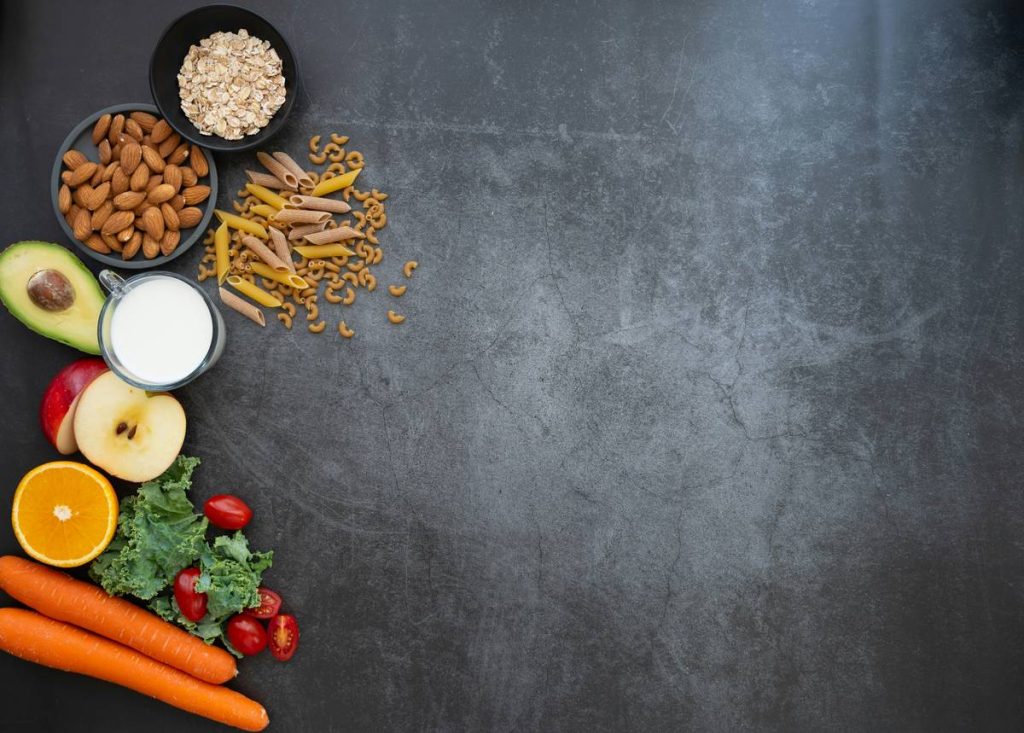
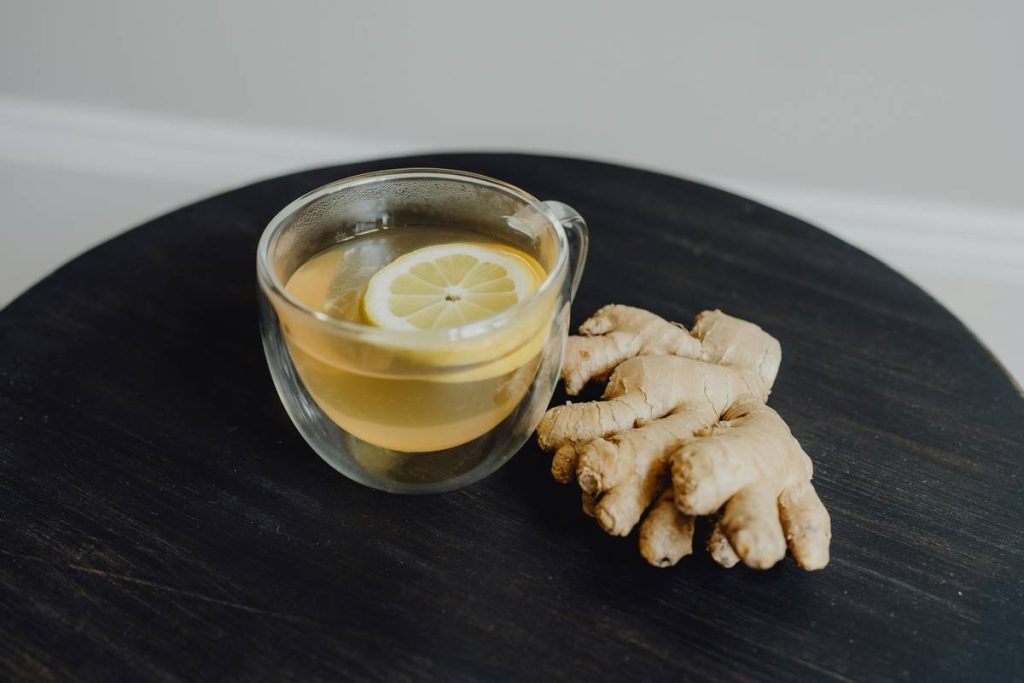
Start with room-temperature lemon water—not hot ginger tea. Pitta thrives on gentle starts. Wait 20 minutes before breakfast, then eat sweet, ripe fruit (mango, pear) or oatmeal with almond milk.
2. Master the Midday Meal
Lunch is your largest meal—but keep it cool. Think basmati rice, mung dal, steamed zucchini, and ghee (yes, healthy fats calm pitta). Avoid tomatoes, vinegar, eggplant, and hot peppers.
3. Wind Down Without Wine
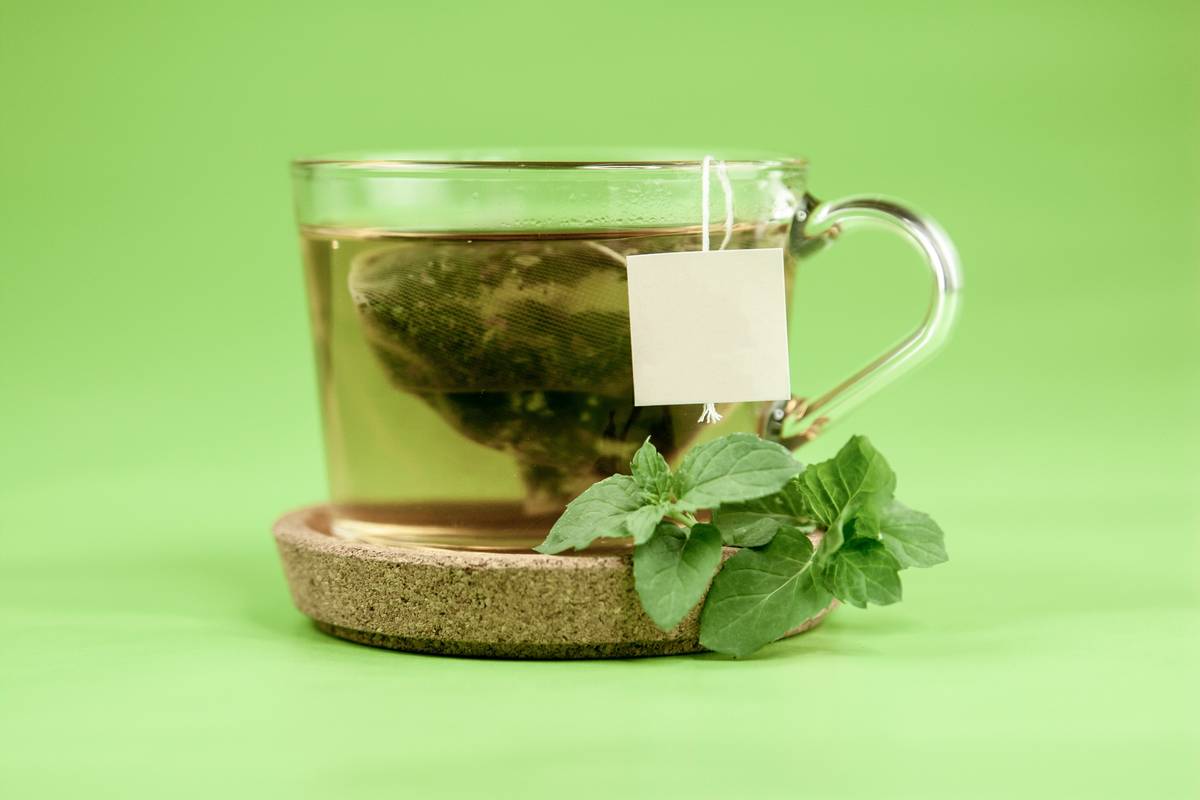
Alcohol spikes pitta and disrupts sleep. Replace evening cocktails with rose-infused water or chamomile tea. Eat dinner by 7 PM, keeping it light: kitchari or vegetable soup works well.
4. Cool Your Exercise
Swap HIIT for swimming, yoga (especially moon salutations), or evening walks. Overexertion = overheating = weight retention.
Best Practices for Sustainable Results
- Hydrate with electrolytes: Coconut water beats sports drinks for natural potassium and cooling.
- Never skip meals: Irregular eating spikes stomach acid and cortisol—both trigger belly fat storage.
- Use aloe vera juice: 2 tbsp daily supports liver detox without harsh laxatives (NIH study confirms anti-inflammatory benefits).
- Track emotional triggers: Journal after meals—are you eating from stress, anger, or boredom? That’s unbalanced pitta speaking.
And here’s my terrible tip disclaimer: Don’t try “pitta-killing” diets with ice-cold smoothies and raw kale all day. You’ll crash your digestion. Balance—not elimination—is the goal.
Real-World Results from Pitta Balancing
Sarah K., a 38-year-old marketing director, came to us after years of yo-yo dieting. Her symptoms? Acid reflux, irritability, and weight stuck at 165 lbs despite CrossFit six days a week. We shifted her to a pitta-cooling protocol: eliminated coffee and spicy sauces, added cucumber-mint infusions, and moved workouts to early evening. In 10 weeks, she lost 14 pounds—not from deprivation, but from reduced inflammation. Blood work showed lower CRP (a marker of systemic inflammation), and her energy stabilized.
This mirrors findings from a 2021 pilot study published in the Journal of Ayurveda and Integrative Medicine, where participants following dosha-specific diets saw greater improvements in BMI and lipid profiles than those on generic plans.
Frequently Asked Questions
Can pitta types eat dairy for weight loss?
Yes—but choose cooling options like ghee, paneer, or small amounts of whole milk. Avoid aged cheeses and yogurt (too sour/heating).
Does stress cause pitta weight gain?
Absolutely. Chronic stress elevates cortisol, which increases abdominal fat storage—especially in pitta-dominant individuals.
What’s the best time to exercise for pitta weight control?
Late afternoon (4–6 PM) or early evening, when natural pitta energy dips. Avoid midday sun workouts.
Are bananas good for pitta weight management?
Ripe bananas are excellent—they’re sweet, grounding, and anti-inflammatory. Unripe ones? Too astringent.
How fast can I expect results with pitta weight control?
Most see reduced bloating in 3–5 days and steady fat loss (1–2 lbs/week) within 3 weeks—once inflammation calms.
Ready to stop fighting your biology and start working with it? At PSI Resources, we blend ancient Ayurvedic wisdom with modern metabolic science—backed by real practitioner experience (learn more on our About Us page). Have questions about your unique constitution? Contact us for a personalized plan. And rest assured—your data stays secure under our Privacy Policy.
Remember: You don’t need to burn brighter. You need to burn cleaner.