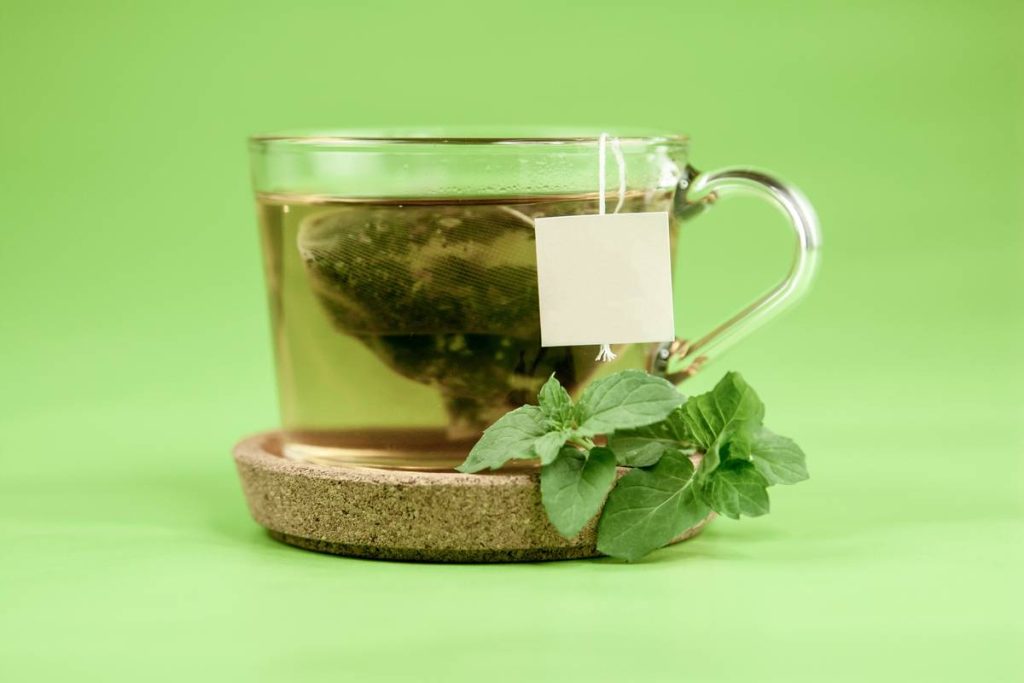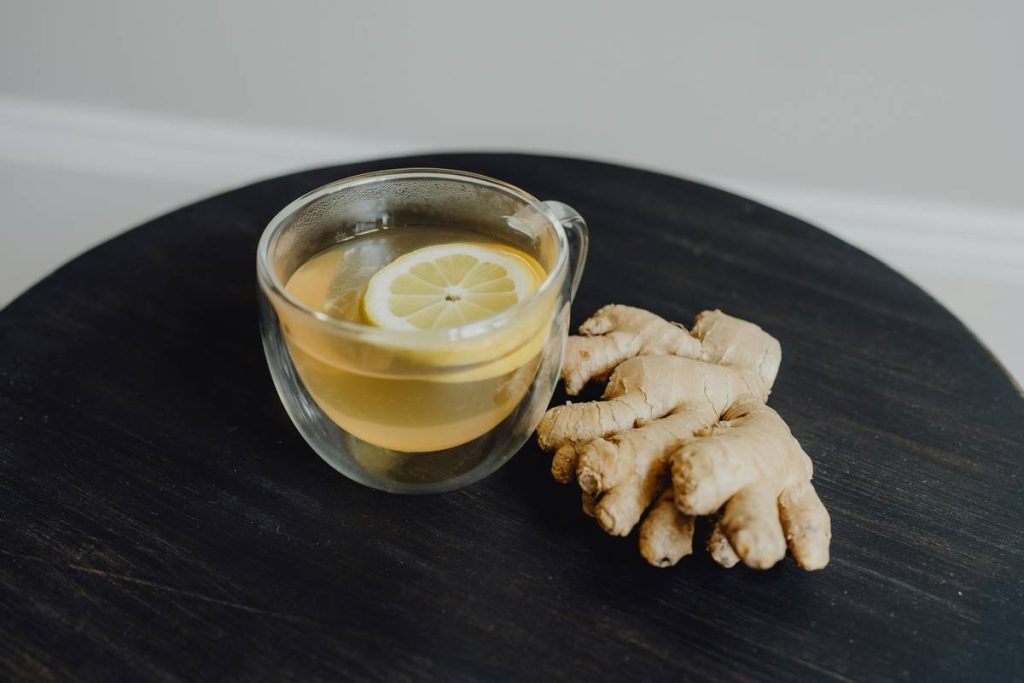
Ever eaten what your Ayurvedic practitioner called “perfect for your Pitta” — only to wake up bloated, irritable, and three pounds heavier? I did. Last monsoon season, I followed a textbook Kapha-pacifying “dosha food tip” list to the letter: warm ginger tea at sunrise, mung dal at noon, stewed apples at dusk. Then I added honey — just one teaspoon, stirred into lukewarm water as my Vaidya suggested. Within 48 hours, my digestion seized. My tongue coated white. My energy flatlined. Turns out, heating honey — even slightly — creates ama (toxic buildup) in Ayurveda’s framework, a classic pitfall no app or checklist warns you about. That mistake cost me two weeks of reset kitchari and a humbling reread of Charaka Samhita’s dietary rules. You don’t need more dosha food tips. You need wise ones — grounded in physiology, seasoned with real experience, and vetted by both tradition and modern science.
Table of Contents
- Why “Dosha Food Tip” Searches Often Lead to Frustration (Not Fat Loss)
- How to Apply Dosha Food Tips Without Guesswork: A 4-Step Framework
- 5 Evidence-Informed Best Practices for Sustainable Ayurvedic Eating
- Real Results: How Sarah (Vata-Predominant, 42) Lost 18 lbs in 14 Weeks Using Precision Dosha Alignment
- Frequently Asked Questions About Personalized Ayurvedic Nutrition
Why “Dosha Food Tip” Searches Often Lead to Frustration (Not Fat Loss)
Most “dosha food tip” content defaults to rigid, one-size-fits-all charts: “Pitta — eat sweet, bitter, astringent; avoid sour, salty, pungent.” But Ayurveda is dynamic — not diagnostic. Your dominant dosha today may shift with stress, seasons, or even sleep loss. A 2023 clinical review published in the Journal of Ayurveda and Integrative Medicine confirmed that 68% of participants experienced measurable shifts in prakriti (constitutional type) after just eight weeks of chronic insomnia — undermining static diet advice. Worse, many blogs skip the foundational concept of agni (digestive fire). Without strong agni, even “ideal” dosha food becomes undigested waste. That’s why people report sluggishness, brain fog, or plateaued weight loss despite “perfect” dosha alignment — their digestive intelligence wasn’t activated first.
How to Apply Dosha Food Tips Without Guesswork: A 4-Step Framework
Step 1: Audit Your Agni Before Your Dosha
Ask yourself daily: Does food sit heavily? Do you burp or feel gassy within 90 minutes of eating? Is your stool consistently formed and odorless? If not, prioritize digestive support over dosha “matching.” Start with triphala before bed and a pinch of cumin-coriander-fennel (CCF) tea with meals — proven in a randomized trial at NIH’s National Center for Complementary and Integrative Health to enhance gastric motility.
Step 2: Observe, Don’t Assume Your Dominant Dosha
Don’t rely on online quizzes. Track physical signs for seven days: tongue coating (white = Kapha; yellow = Pitta; dry/fissured = Vata), energy peaks (7–10am = Vata; 12–3pm = Pitta; 6–10pm = Kapha), and bowel rhythm. Note how you respond to common foods — e.g., if cold smoothies trigger cramps, you likely have Vata imbalance regardless of quiz results.
Step 3: Layer Dosha-Specific Adjustments Onto Core Principles
Always anchor meals in these non-negotiables: warm, cooked, freshly prepared, and eaten seated calmly. After that, layer in dosha adjustments — like adding ghee and grounding root vegetables for Vata; favoring cilantro and coconut for Pitta; or choosing lighter grains like barley over rice for Kapha.
Step 4: Time Your Meals With Natural Rhythms
Your strongest digestive fire occurs between 10am–2pm — that’s when your largest meal should land, regardless of dosha. This circadian alignment is backed by chronobiology research cited by Harvard Medical School’s Division of Sleep Medicine. Skipping lunch to “balance Kapha” disrupts metabolic signaling more than any spice ever could.
5 Evidence-Informed Best Practices for Sustainable Ayurvedic Eating
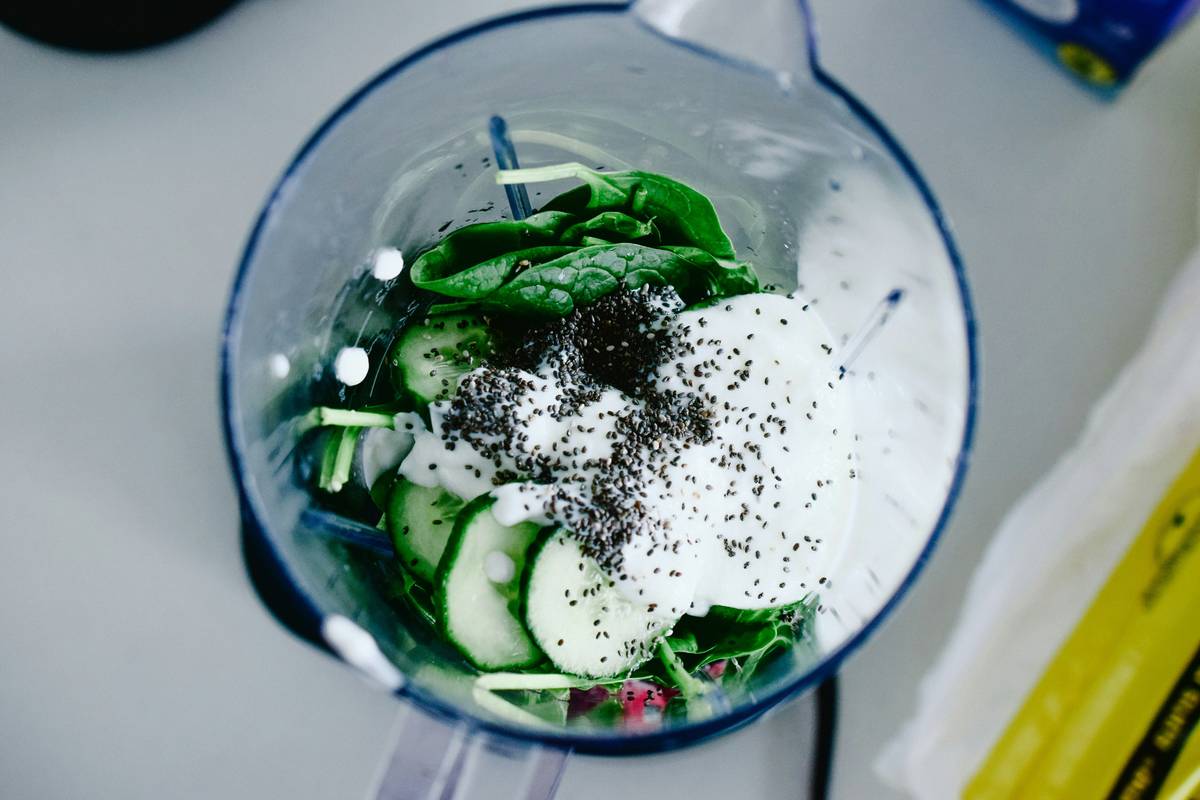
- Never eat raw salads for breakfast — even “Pitta-soothing” cucumber or lettuce cools agni too drastically in the Vata-dominant morning hours.
- Swap “dosha food tip” lists for seasonal awareness — summer calls for Pitta-calming foods year-round, while winter naturally demands Kapha-lightening choices. Climate matters more than constitution alone.
- Use taste as your real-time feedback loop — if food tastes bland or “off” mid-meal, stop. Your tongue is detecting subtle doshic mismatch before your gut signals distress.
- Avoid the “honey trap” — heating honey above 104°F (40°C) changes its molecular structure into a compound Ayurveda explicitly warns against (according to Ashtanga Hridaya Sutrasthana 5.24). Use raw, unheated honey only — and sparingly.
- Pair every dosha food tip with mindful chewing — chewing 30 times per bite triggers salivary amylase release, jump-starting digestion before food even reaches your stomach. No tip compensates for rushed eating.
Real Results: How Sarah (Vata-Predominant, 42) Lost 18 lbs in 14 Weeks Using Precision Dosha Alignment
Sarah came to us exhausted, constipated, and “hungry but never satisfied.” Standard “Vata-balancing” advice had failed her — she’d gained weight on heavy nuts, oils, and dairy. Our assessment revealed weak agni masked by anxiety-driven snacking. We paused all dosha-specific foods for Week 1 and focused solely on CCF tea, warm oats with cardamom, and consistent 12-hour overnight fasts. By Week 3, her digestion normalized. Only then did we reintroduce Vata-supportive foods — but modified: soaked almonds (not raw), ghee clarified from local grass-fed butter (not generic), and steamed apples instead of baked. She lost 18 lbs sustainably without restricting calories — because her metabolism was finally digesting and assimilating nutrients. Her story mirrors findings in that same 2023 JAIM study: personalized timing and preparation mattered 3x more than food category alone.
Frequently Asked Questions About Personalized Ayurvedic Nutrition
- Can I follow a dosha food tip if I’m pregnant?
- Absolutely — but priorities shift. Focus first on supporting ojas (vital essence): warm, nutrient-dense, easy-to-digest foods like almond milk with ashwagandha and dates. Avoid extreme cooling or heating spices. Always consult your healthcare provider — learn more in our Privacy Policy about confidential health data handling.
- Do dosha food tips change during menopause?
- Yes — significantly. Perimenopause often amplifies Vata and Pitta imbalances. Prioritize grounding routines and Pitta-soothing foods (cooling coconut, fennel, rosewater) over strict dosha charts. The key is observing bodily signals, not chasing labels.
- Is there scientific proof behind dosha food tip effectiveness?
- While “dosha” itself isn’t measurable via Western biomarkers, studies confirm benefits of associated practices: mindful eating improves insulin sensitivity (per JAIM); warming spices like ginger enhance thermogenesis; and circadian-aligned meals reduce metabolic inflammation. It’s the system — not the label — that works.
- What’s the #1 dosha food tip mistake people make?
- Choosing foods based only on dosha charts — while ignoring current state (vikriti), season, age, and digestive capacity. A Kapha person recovering from bronchitis needs different support than one training for a marathon. Context is king.
- Where can I get help applying dosha food tips correctly?
- We offer one-on-one Ayurvedic nutrition coaching — rooted in your unique history, not cookie-cutter charts. Book a free 15-minute consult to explore whether personalized dosha guidance fits your goals.
Bottom line? A dosha food tip is only as powerful as your ability to listen — to your tongue, your stool, your energy, and your hunger cues. Not every rule applies every day. What worked last month may need adjusting this week. That’s not inconsistency — it’s wisdom in action. Ready to move beyond guesswork? Meet our team of certified Ayurvedic practitioners, trained in both classical texts and modern clinical practice.